-
-
-
804 E 35th St, Sioux Falls, SD 57105, USA
Monday – Friday: 09:00 AM - 05:00 PM CST
We're all on a journey, seeking happiness along the way. Despite our efforts, we often find that the things we pursue don't always bring the happiness we expect.

Raising children who are thoughtful, compassionate, and empathetic is one of the greatest gifts we can give to the world. But teaching kindness isn’t always about grand gestures—it’s about everyday choices, conversations, and examples that children observe and follow.
The good news? Kindness can be taught, nurtured, and encouraged in fun and practical ways. In this blog, we’ll explore five simple strategies to help children learn and practice kindness at home, in school, and in their communities.
Children often learn more from what we do than from what we say. If they see us being kind—whether it’s holding the door open, speaking politely to others, or helping a neighbor—they begin to mirror those behaviors.
Tip for parents and teachers: Make kindness visible. Narrate your actions, like:
“I’m helping our neighbor carry groceries because it’s nice to lend a hand.”
“Let’s write a thank-you note to your teacher to show gratitude.”
When children see kindness in action, it becomes a natural part of their own behavior.
Children’s literature is one of the most powerful tools for teaching values. Stories create safe spaces where kids can understand emotions, reflect on characters’ choices, and learn from them.
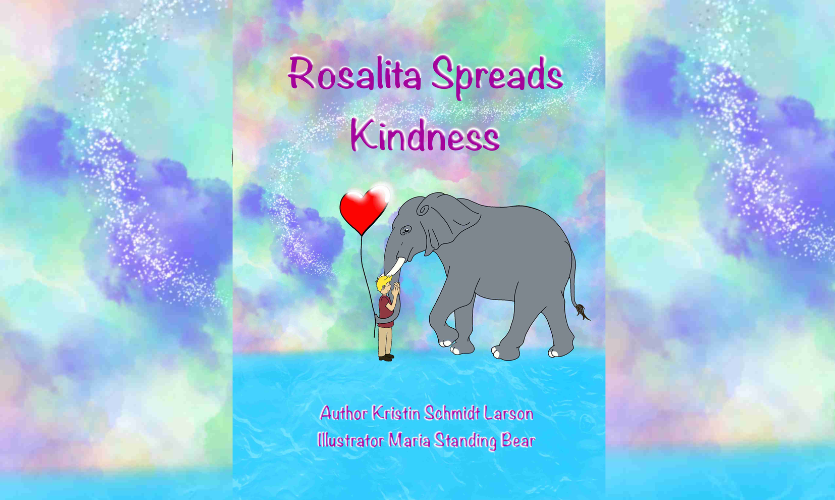
Books like Rosalita Spreads Kindness (coming soon!) or classics such as Have You Filled a Bucket Today? by Carol McCloud, help children see kindness in action and understand its ripple effect.
Practical activity: After reading a story, ask your child:
“How do you think this character felt?”
“What would you have done differently?”
“How can we be kind like them in real life?”
Encourage children to integrate kindness into their everyday lives with small, achievable actions. It could be:
Sharing toys with siblings or classmates
Saying “thank you” and “please” without reminders
Helping set the dinner table
Drawing a cheerful card for a friend who feels sad
Idea: Create a “Kindness Jar.” Every time your child does something thoughtful, write it on a slip of paper and put it in the jar. At the end of the week, read them together and celebrate their efforts.
True kindness also means being gentle and compassionate with ourselves. Children need to learn self-kindness—understanding mistakes, practicing patience, and celebrating progress.
Tip: Teach positive self-talk. Instead of saying “I can’t do this,” encourage your child to say, “I can try again.” Celebrate effort, not just results, so they know their value goes beyond achievements.
Nothing reinforces kindness better than real-life experiences. Involve children in age-appropriate community activities like:
Donating toys or clothes
Volunteering at local events
Baking cookies for neighbors
Participating in school kindness campaigns
These activities give children a sense of belonging and show them the joy that comes from helping others.
Kindness isn’t just a “nice-to-have” trait—it’s essential for building strong emotional intelligence, resilience, and meaningful relationships. Studies show that children who practice kindness are more confident, less likely to bully, and better equipped to handle challenges in life.
When we intentionally teach kindness, we’re not only shaping happier kids—we’re shaping a kinder world.
Teaching kindness to children doesn’t require big changes or complicated systems. It starts with simple, everyday actions—modeling kindness ourselves, sharing meaningful stories, practicing small gestures, encouraging self-love, and offering opportunities to give back.
With consistency, children begin to see kindness not as an occasional act, but as a way of life. And that’s the most powerful gift we can pass on.
So start small today: smile, share, help, and encourage your child to do the same. Remember—every act of kindness counts, and together, they add up to a brighter future. 🌟